Hiring an arborist in Sydney is not the same as hiring a tree cutter. An arborist is a qualified tree professional trained in tree biology, structure, risk assessment and remedial care. Some do the physical work. Some only write reports. Knowing which one you need saves both money and a rejected development application.
What an Arborist Actually Does
The Arborist Services scope is broader than most people expect:
- Tree health and condition assessment, including pest and disease diagnosis
- Tree risk assessment, usually using a recognised methodology such as QTRA or TRAQ
- Arboricultural Impact Assessments for development applications
- Tree Protection Plans and specifications for construction sites
- Structural pruning specifications compliant with AS 4373
- Root investigation, including non-destructive air spading around footings and pipes
- Expert evidence in neighbour disputes and Land and Environment Court matters
- Soil decompaction, mulching and remedial treatment programs
The AQF Levels, Decoded
This is where most homeowners get caught out. Australian arboriculture qualifications run in tiers:
- AQF Level 2, Certificate II in Arboriculture: ground work, chipping, basic pruning from the ground
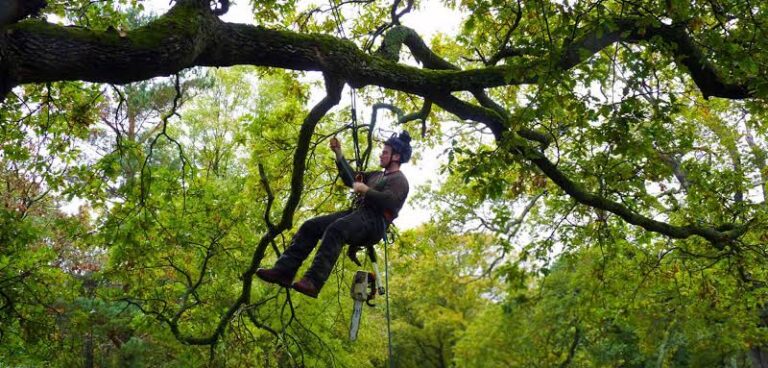
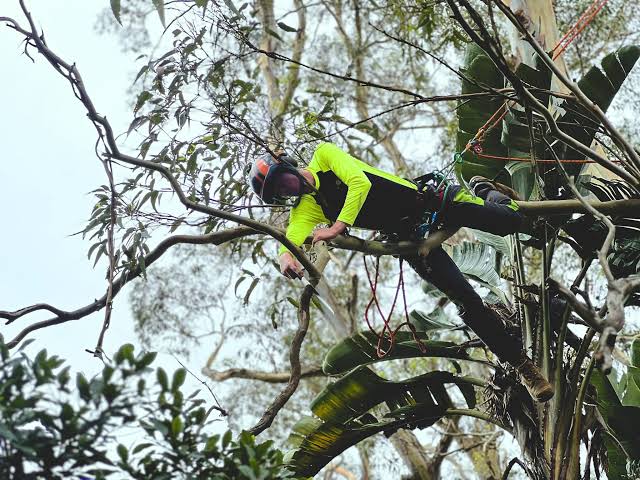
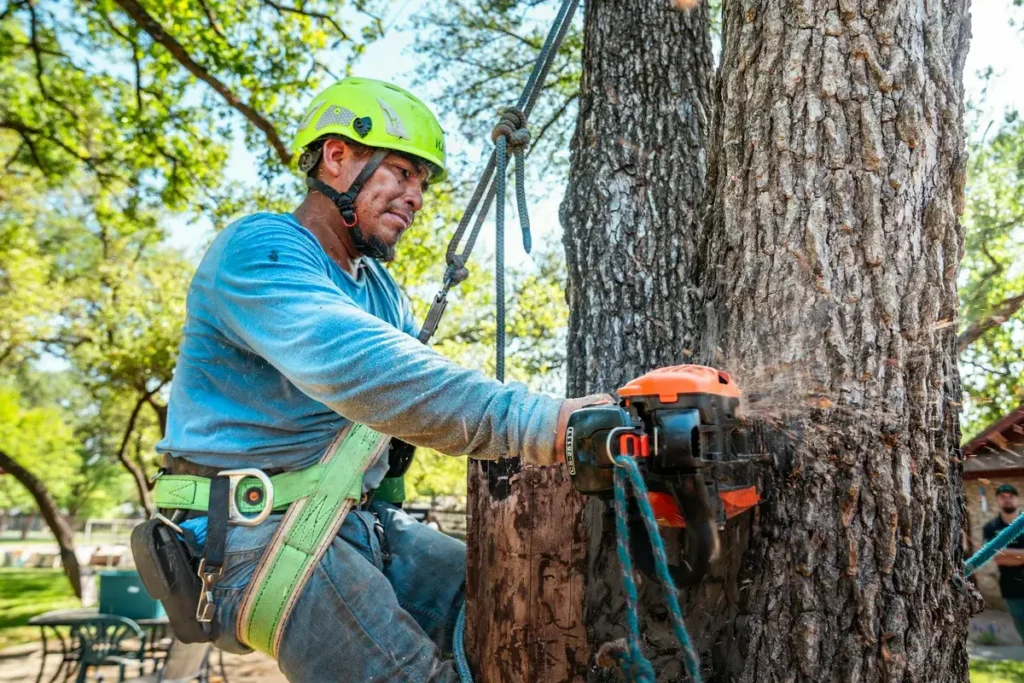
- AQF Level 3, Certificate III in Arboriculture: climbing, aerial pruning, supervising climbing operations
- AQF Level 5, Diploma of Arboriculture: tree assessment, report writing, risk assessment, development advice
If your council has asked for an arborist report, it almost certainly means an AQF Level 5 consulting arborist. A Level 3 climber, however skilled with a saw, cannot supply that document. SafeWork NSW spells out the same distinction in its guidance on hiring tree work contractors.
When Sydney Councils Require an Arborist Report
Common triggers across Sydney local government areas:
- Any development application where works fall inside the Tree Protection Zone of a retained tree
- Applications to remove a tree the council considers significant or heritage listed
- Disputes about whether a tree is dead, dying or dangerous
- Applications where the stated reason for removal is structural damage to a building or pipe
- Strata or commercial properties needing a documented tree management plan
Ku-ring-gai Council, for example, publishes explicit tree assessment guidelines listing which reasons for removal it will and will not accept. Reading your council equivalent before you apply is the single best way to avoid a refusal.
What Arborist Services Cost in Sydney
- Site visit and verbal advice: often free if quoting works, otherwise $150 to $350
- Basic tree health report, single tree: $300 to $600
- Arboricultural Impact Assessment for a development application: $600 to $1,800 depending on tree numbers
- Tree Protection Plan: $400 to $1,200
- Detailed risk assessment with a decay detection device such as a resistograph: $800 to $2,500
- Expert witness work: $250 to $450 per hour
Multiple trees on one visit almost always attract a per-tree discount, so bundle the whole property into one engagement rather than calling three times.
How to Verify Someone Is Genuine
Ask for a copy of the qualification, not just a claim. Check membership of a recognised professional body such as Arboriculture Australia or the Institute of Australian Consulting Arboriculturalists. Confirm professional indemnity insurance if they are writing reports, and public liability if they are doing physical work. Ask for two recent report samples with client details redacted. A consulting arborist who cannot produce a sample report has not written many.
Why the Tree Assessment Matters Beyond Your Block
Sydney has a measurable canopy problem. Research from Western Sydney University on urban heat mitigation in Sydney documents how significantly tree cover reduces surface and air temperatures across the metropolitan area, and how unevenly that cooling is distributed between wealthy leafy suburbs and hotter western suburbs. That evidence is why councils have adopted canopy targets and why they now push hard to retain trees rather than approve removals. Understanding that context tells you how to frame an application: demonstrate you have considered retention, pruning and root management before asking for removal.
Working With an Arborist on a Build
Engage the arborist before the architect finalises the footprint, not after. Tree Protection Zones are calculated from trunk diameter, and a slab edge that lands two metres inside a TPZ can force a redesign. Early advice on which trees are worth retaining, where to place site fencing, and how to handle excavation inside root zones is far cheaper than a stop-work order and a retrospective report.
Red Flags
Be wary of anyone who diagnoses a tree from the footpath, promises a report guaranteeing council approval, quotes a report price without asking how many trees are involved, or offers a discount if you also book the removal with them. The last one is a genuine conflict of interest: the person assessing whether a tree needs to come down should not be the person paid to remove it.
Bottom Line
Match the qualification to the task. Level 3 for climbing and cutting, Level 5 for reports and assessments. Verify the paperwork, bundle your trees into one visit, and bring the arborist in early on any build. It is the cheapest form of insurance in the entire tree industry.