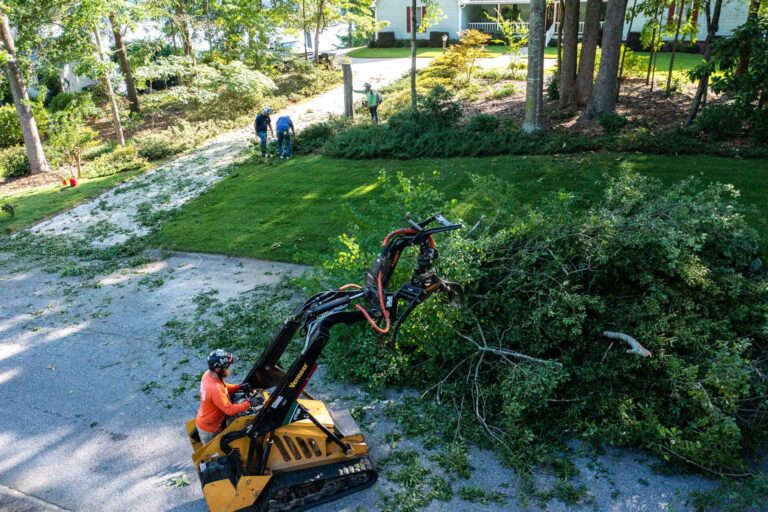
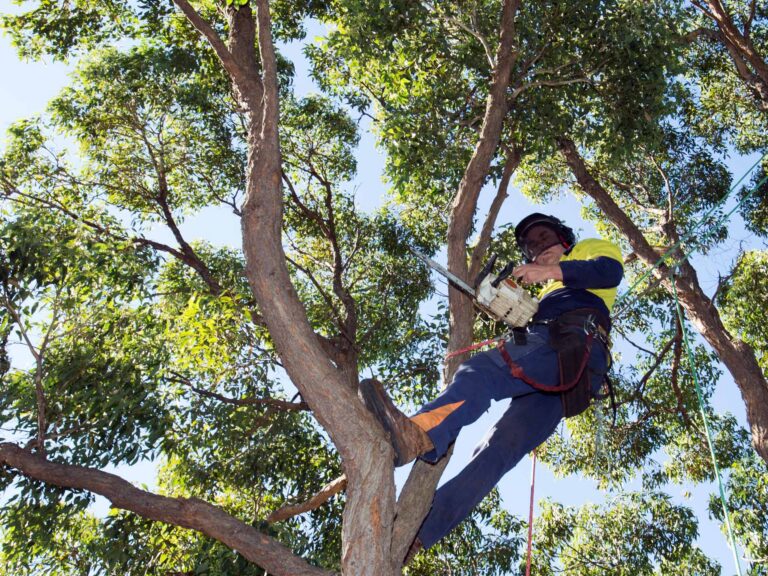
Tree lopping service in Sydney keeps your trees healthy, attractive, and safe for your property and neighbours. Unlike tree removal, tree lopping service focuses on strategic branch removal to improve tree structure, reduce hazards, and enhance property aesthetics. Professional tree lopping service in Sydney follows arboricultural best practices, promoting long-term tree health rather than damaging growth. The difference between proper arboricultural pruning and destructive lopping can mean the difference between a thriving tree and one in permanent decline.
Tree lopping service Sydney prevents common problems. Overgrown branches interfere with power lines, block views, encourage pest infestations, and create shade problems for gardens. Expert tree lopping service in Sydney addresses these issues through careful pruning, crown reduction, and selective branch removal. Trees that are properly maintained with professional tree lopping service become safer, more attractive, and more valuable assets to your property.
Understanding Tree Lopping vs. Destructive Lopping
There’s a critical distinction between professional tree lopping service and harmful “lopping” that damages trees. Proper tree lopping service in Sydney removes branches according to arboricultural principles, making cuts that allow the tree to compartmentalise and heal naturally. Destructive lopping—where large stubs are left or major structural limbs are removed improperly—creates wounds that don’t heal, inviting disease and pests.
Professional tree lopping service follows Australian Standard AS4373-2007 for tree pruning. This standard guides proper cutting techniques, branch collar preservation, and seasonal pruning best practices. Professional arborists understand tree biology and structure in ways that ensure tree lopping service promotes health rather than harm.
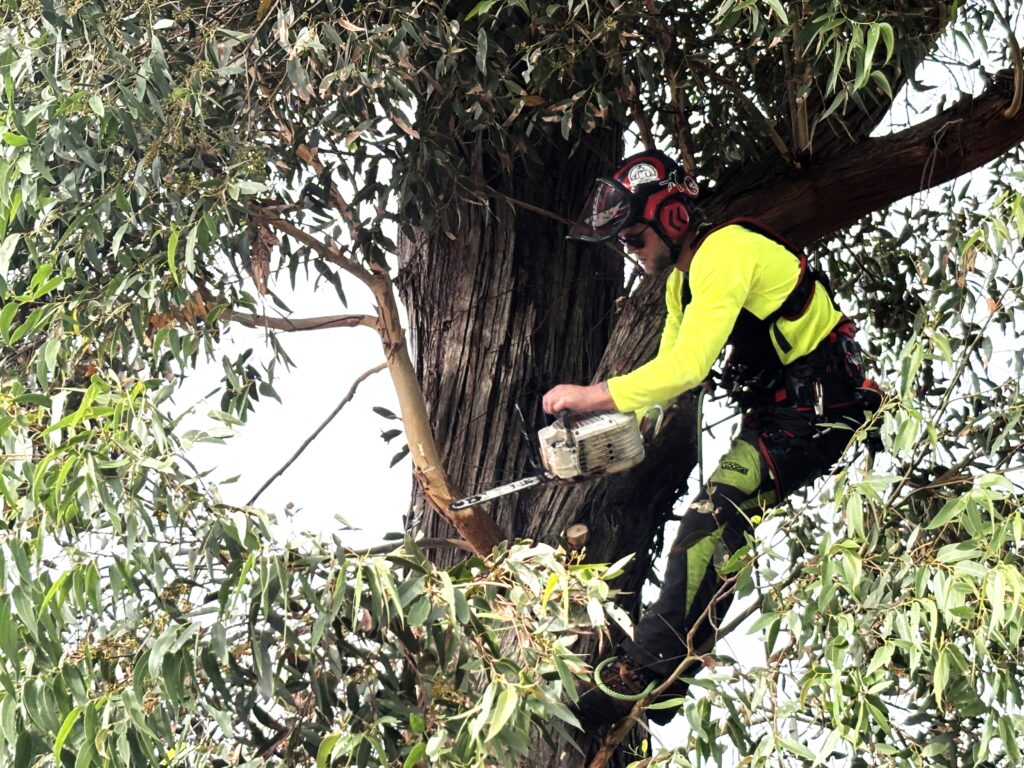
Types of Tree Lopping Service Available
Crown Reduction: Tree lopping service using crown reduction removes 15–25% of canopy volume, reducing weight while maintaining natural shape. This tree lopping service in Sydney improves wind resistance and reduces branch failure risk during storms. Crown reduction differs from “topping,” which indiscriminately removes the tree top and causes irreparable damage. Proper crown reduction maintains the tree’s natural structure.
Crown Cleaning: Professional tree lopping service removes dead wood, diseased branches, and crossing limbs.
This tree lopping in Sydney improves light penetration and air circulation, promoting healthier growth.
Removing dead branches (dead wooding) prevents these wood pieces from becoming hazards that might fall on properties or people below.
Selective Branch Removal: Tree lopping service may target specific branches interfering with structures, utilities, or neighbouring properties. This precise tree lopping Sydney work requires experienced arborists who understand how removing one branch affects overall tree structure and growth patterns.
Height Reduction: Some trees grow taller than desired for safety or aesthetic reasons. Professional tree lopping service reduces height by removing upper sections while maintaining the tree’s form and health. This differs from topping, which removes all growth above a certain point and causes severe damage.
Benefits of Professional Tree Lopping Service
Expert tree lopping service in Sydney extends tree lifespan, improves safety, and enhances property value. Trees treated with professional tree lopping service recover quickly and develop stronger branch structures. Property owners benefit from improved views, reduced pest habitats, and lower hazard risk.
Health benefits of tree lopping service include improved air circulation within the canopy, better light penetration that promotes new growth, and removal of disease vectors before infection spreads. Structural benefits include stronger branch angles, reduced weight stress on primary limbs, and improved wind resistance during storms.
Seasonal Timing for Tree Lopping Service in Sydney
Tree lopping service effectiveness depends partly on season. TAFE NSW arboriculture programs teach that timing varies by species and region. Generally, late winter and early spring work well for deciduous trees, while conifers are better pruned during dormancy. Spring growth surges help trees compartmentalise wounds created by tree lopping service, promoting faster healing.
Avoid tree lopping service during autumn or late summer on some species, as this can stimulate new tender growth vulnerable to frost. Professional arborists who provide tree lopping service understand species-specific requirements and seasonal limitations.
Cost of Professional Tree Lopping Service
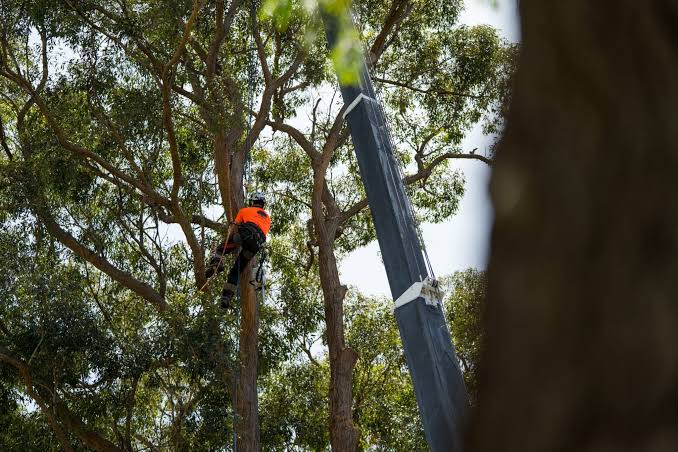
Tree lopping service costs depend on tree size, complexity, accessibility, and extent of work needed. Small tree lopping service might cost $300–$800, while large specimens requiring extensive work can exceed $2,000. Tree lopping service quotes should detail which branches will be removed and what removal technique will be used.
Don’t select tree lopping service based solely on lowest price. Cheap tree lopping service that damages trees becomes expensive later when decline necessitates removal. Professional tree lopping service provides better value through tree preservation and hazard reduction.
Aftercare Following Tree Lopping Service
Following tree lopping service in Sydney, avoid applying wound sealant. Modern arboriculture recognises that trees heal better when allowed to compartmentalise naturally. Professional tree lopping service providers can advise on post-pruning care, including whether any supplemental feeding or special care would benefit your tree.
Monitor trees after tree lopping service for signs of disease or stress. Most trees recover rapidly from proper tree lopping service and produce vigorous new growth the following season.
Comparing Tree Lopping Service Providers
When selecting tree lopping service providers, check certifications, experience with your specific tree species, and references from previous tree lopping service jobs. Watch professional tree lopping demonstrations online to understand how proper cuts should look. This helps you evaluate tree lopping service quality and avoid destructive practices.