Sydney gets hammered by east coast lows, summer supercells and southerly change squalls that regularly put trees through roofs across the eastern suburbs, the north shore and the Hills. When it happens, the decisions you make in the first hour matter more than anything else. Here is the sequence that keeps people safe and keeps your insurance claim intact.
Step One: Assume Every Wire Is Live
If a tree or limb is touching, resting on or near a powerline, treat it as energised and lethal. Stay at least eight metres clear, keep children and pets inside, and call the Emergency Tree Services network operator immediately. Do not attempt to move a branch off a wire with a pole, a rope or anything else. Water on the ground and on the timber makes the danger worse, not better.
Step Two: Call the Right Agency
- Immediate danger to life, fire, or a tree on a person: 000
- Tree on a house, roof, or blocking access: NSW State Emergency Service on 132 500
- Tree on a powerline or fallen powerline: your electricity network operator
- Tree on a public road or footpath: your local council, or Transport for NSW for major roads
- Tree on your property with no immediate danger: a private emergency arborist
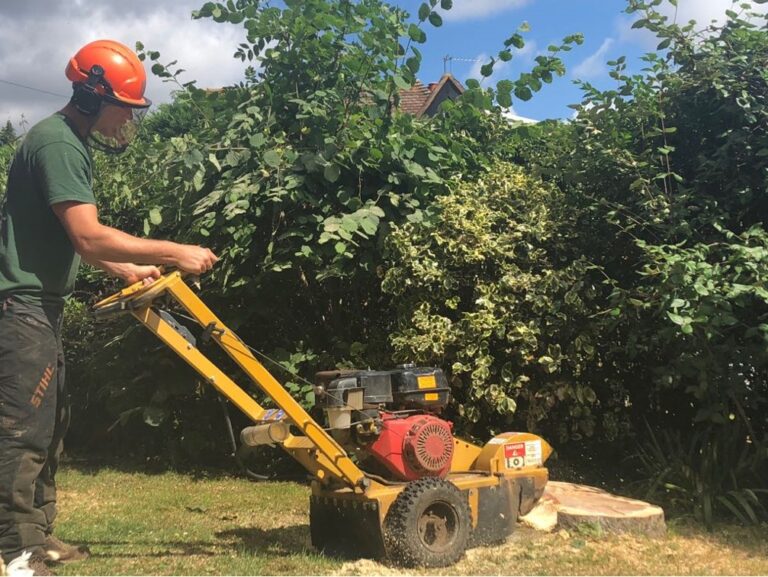
The SES handles making a property safe. It does not do full removal, stump grinding or clean-up. That is the private crew job, and there is usually a queue after a big storm.
Step Three: Document Everything Before You Touch It
Photograph the tree, the damage, the direction of fall and any water ingress from multiple angles before anything is moved. Take a wide shot showing the whole scene and close-ups of the failure point on the trunk. Insurers routinely dispute storm damage claims, and the failure point often shows whether the tree failed from wind load or from pre-existing decay. Those photos are your evidence.
Do You Need Council Approval in an Emergency?
This is where people freeze, and they should not. Every Sydney council has an exemption pathway for trees that present an immediate risk to life or property. In practice, the rule of thumb is: make safe now, document thoroughly, notify council as soon as practicable, and only remove what the emergency actually requires.
The NSW Government sets out the framework for clearing vegetation in bushfire and emergency situations, including situations where no approval is needed. Separately, if you live near bushland, the NSW Rural Fire Service 10/50 Vegetation Clearing Scheme allows eligible property owners in designated entitlement areas to remove trees within ten metres of a home without approval. The critical caution: check the online tool on the day you clear, because entitlement areas change.
Where people get burned is over-clearing. Removing the failed tree is an emergency. Taking out the two healthy neighbours while the crew is on site is not, and councils do prosecute for that.
What Emergency Removal Costs
Expect a premium. Typical Sydney figures:
- After-hours or weekend call-out fee: $250 to $600 before any work
- Make-safe only, limb off a roof, standard access: $800 to $2,500
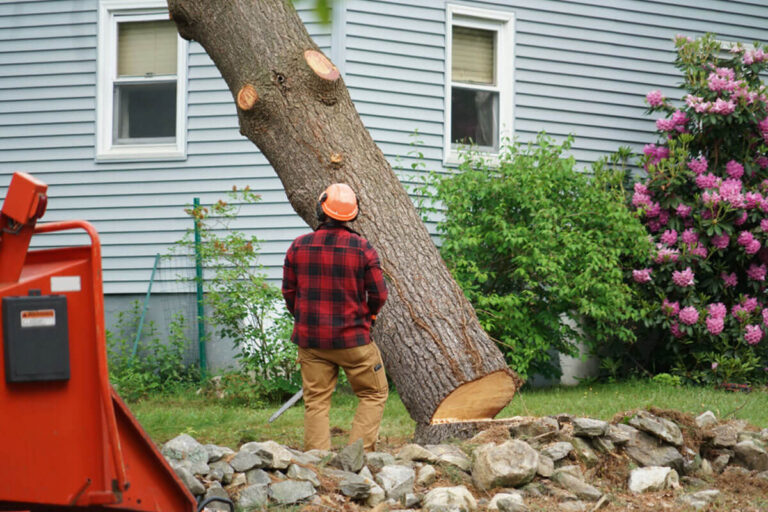
- Full emergency removal of a large tree off a structure: $3,000 to $12,000
- Crane-assisted removal: add $1,500 to $4,000 for the crane and operator
Rates are higher because the work is harder. The tree is under abnormal load, the failure is unpredictable, the site is wet, and it is often dark.
Insurance: What Is Usually Covered and What Is Not
Generally covered by home and contents policies: damage to the building and contents caused by the falling tree, and the cost of removing the tree from the insured structure.
Generally not covered: removing the rest of the tree from your yard, stump grinding, replacing the tree or the garden, and damage where the insurer can show the tree was obviously dead, decayed or previously reported as a hazard and you did nothing.
That last exclusion is the one that catches people. If you have had an arborist flag a tree as high risk and you deferred the work, a later claim can be denied for lack of maintenance. Keep any arborist report and any invoice for remedial work: it demonstrates you acted reasonably.
Choosing an Emergency Crew Under Pressure
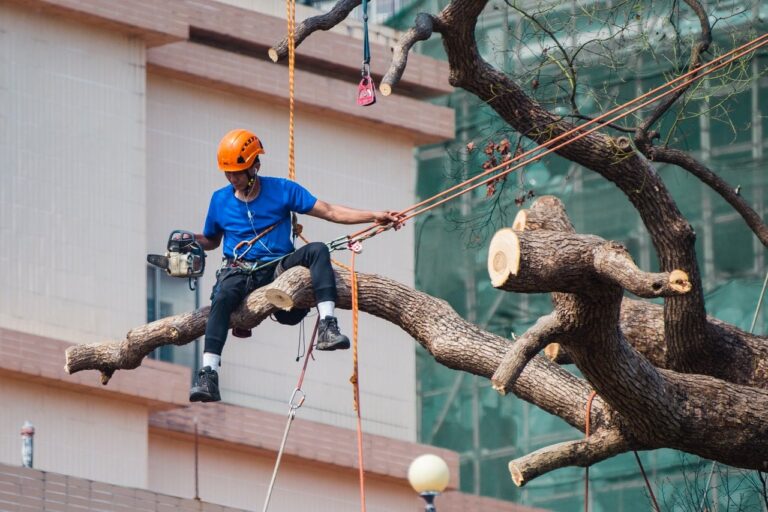
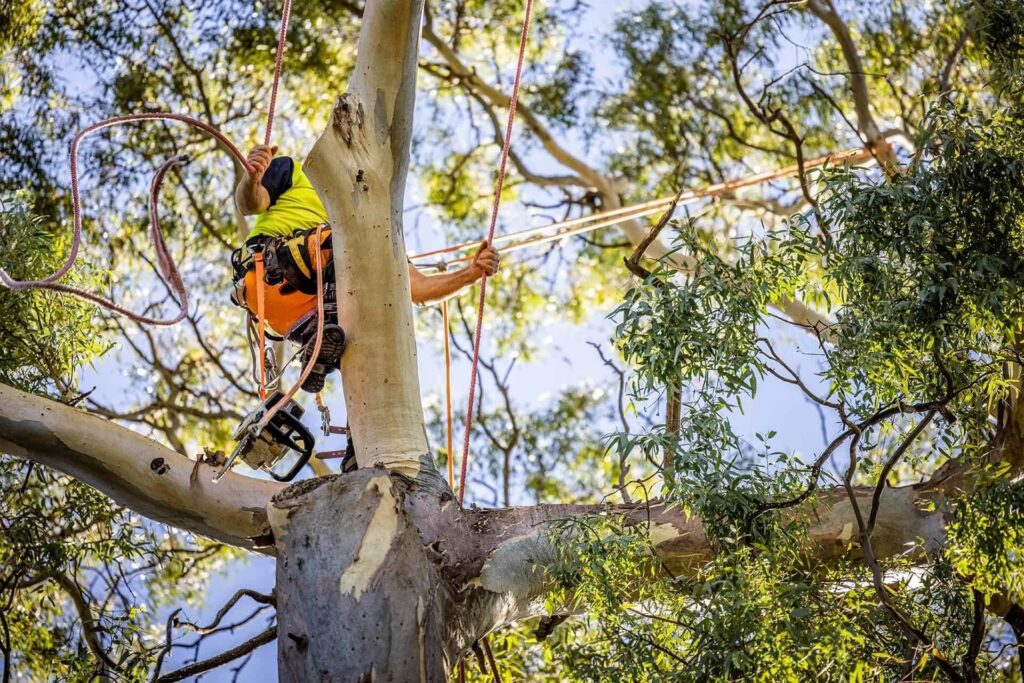
Storm season brings out unlicensed operators who door-knock damaged streets. Before you agree to anything, confirm the ABN, ask for public liability cover of at least $10 million, ask for the qualification of the person climbing, and insist on a written scope even if it is a photo of a handwritten sheet. Refuse cash-only deals and never pay in full up front. Legitimate crews will happily provide these details.
Reducing the Odds of Next Time
Most storm failures are predictable. A preventative arborist inspection every two to three years catches the classic warning signs: co-dominant stems with included bark, deadwood in the upper canopy, fungal brackets at the base, cracks or bulges in the trunk, soil heaving on one side of the root plate, and heavy end-weighted limbs over the roofline. Selective reduction of end weight, deadwood removal and cabling can save trees that would otherwise fail. Doing that work on a sunny Tuesday costs a fraction of doing it at 2am with a crane and a hole in your roof.
Bottom Line
Stay clear of wires, call 132 500 for anything on your house, photograph everything before it moves, make safe rather than over-clear, and keep your paperwork. Then book the preventative inspection you have been putting off.