Tree removal is never the first choice, but in Sydney it can be the safest one. When a tree becomes unstable, diseased, or a threat to people and property, removing it can prevent injuries, costly damage, and emergencies during storms.
Below are seven common situations where removal is typically the most responsible safety decision.
Is the tree visibly unstable or leaning more than it used to?
If a tree has developed a new lean, shifted after heavy rain, or appears to be lifting soil at the base, it may be failing. This can indicate root plate movement, which often precedes a collapse. In such cases, it is important to seek professional advice and assessment to reduce safety risks, Click here.
n busy Sydney suburbs, an unstable tree near driveways, footpaths, or play areas is a clear safety risk. Prompt Sydney tree removal assessment and action, if needed, helps prevent sudden failure.
Are there major cracks, splits, or weak unions in the trunk?
Deep trunk cracks, splitting, or multiple stems with tight “V” shaped unions can make a tree structurally unreliable. These defects often worsen under wind load and can cause large sections to shear off without much warning.
If the tree sits close to a house, garage, neighbour’s fence, or a public path, removal may be safer than repeated patch repairs, especially when the defect is in the main stem. It also helps to understand what tree removal in Sydney includes and when it may be necessary before deciding on the safest next step.
Is the tree dead, or does it have extensive dieback?
A dead tree is unpredictable. Once a tree dies, wood strength declines over time, branches become brittle, and the likelihood of dropping limbs increases.
Even partial dieback can be a red flag when it affects the upper canopy, large scaffold limbs, or the main leader. If the decline is advanced and recovery is unlikely, removal is often the safest way to eliminate falling branch hazards.
Is there severe root damage or evidence of root failure?
Roots provide anchorage, so damage below ground can be more dangerous than it looks above ground. Common causes include trenching for plumbing, driveway works, pool installation, or repeated soil compaction.
Warning signs include cracking soil, fungal growth near the base, reduced canopy density, and sudden leaning. If the root system is compromised enough that the tree cannot be stabilised, removal may be necessary to prevent it toppling in wet or windy conditions. Learn more about tree diseases that create hazards.
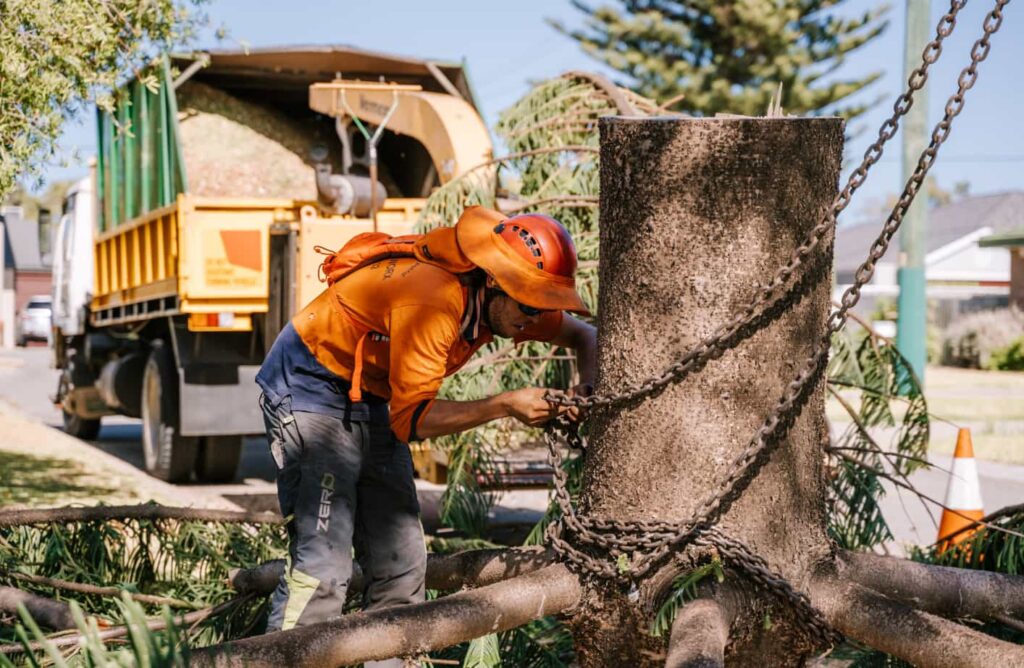
Is the tree affected by decay, termites, or internal hollows?
A tree can look healthy externally while being hollow or decayed inside. Fungal brackets, soft spots, cavities, termite activity, and old wounds that never closed can all indicate internal weakness.
If decay is present in the trunk base or major limb junctions, the tree’s load-bearing capacity may be reduced. In high-target areas, such as near bedrooms, parking spaces, or pedestrian routes, removal can be the safest option when the structure cannot be reliably retained.
Is it dangerously close to buildings, power lines, or high-use areas?
Some trees are simply in the wrong place for long-term safety. If a mature tree’s canopy or trunk threatens roofs, windows, sheds, or boundary fencing, the risk rises as it grows and as weather events intensify.
Trees interfering with power lines are especially serious. In Sydney, vegetation near electrical infrastructure should be treated cautiously and handled by qualified professionals. When ongoing pruning cannot maintain safe clearance or the tree is too large for the location, removal is often the practical safety outcome.
Has storm damage made the tree unsafe or likely to fail later?
After severe wind or storms, trees may suffer hidden damage: torn fibres, cracked unions, split limbs, or partially failed roots. A tree may remain standing but be structurally compromised, making a later collapse more likely.
If they have already dropped large limbs, lost a significant portion of the canopy, or developed fresh cracks, removal may be recommended to prevent a repeat incident, particularly before the next storm cycle.
What should they do before arranging tree removal in Sydney?
They should start with a professional inspection to confirm whether removal is necessary or if pruning and bracing could manage the risk. In many parts of Sydney, council rules and approvals may apply, especially for larger or protected trees.
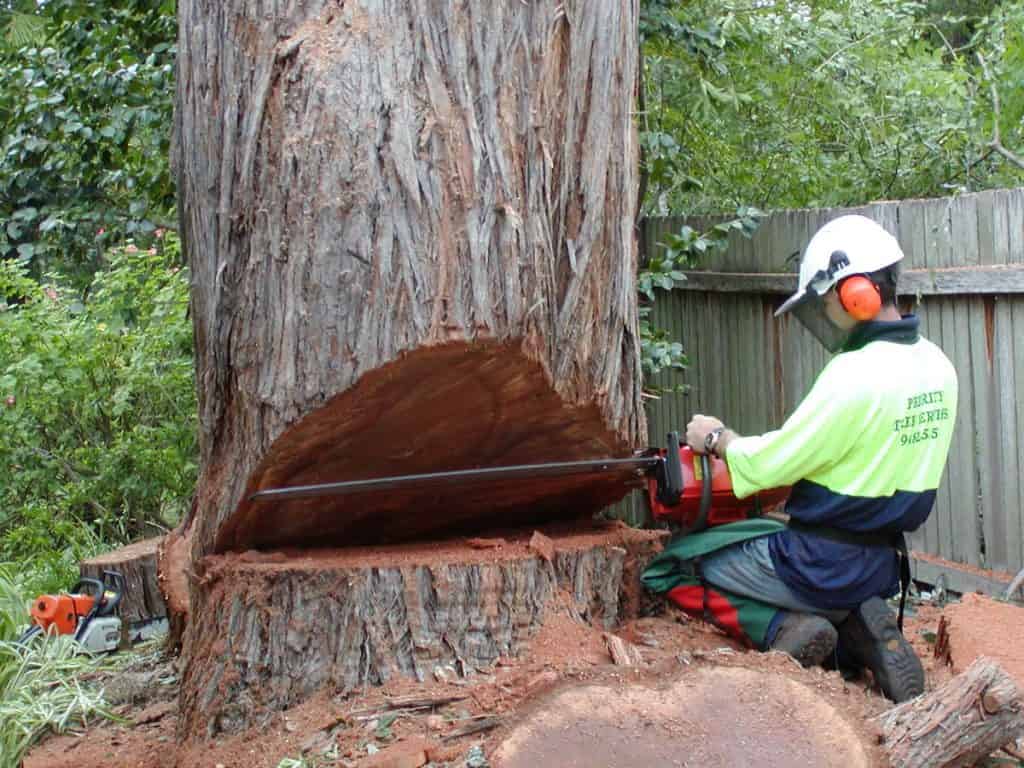
For safety and compliance, they should use qualified, insured arborists who can assess hazards, manage rigging near structures, and handle stump management and disposal appropriately.
Conclusion
Sydney tree removal is most necessary when a tree is structurally unsound, dead, severely decayed, root-damaged, storm-compromised, or positioned where failure would harm people or property. In these situations, removing the tree can be a preventative safety measure, not an overreaction.
When in doubt, they should seek an arborist’s assessment and follow local council requirements before any work begins.
FAQs (Frequently Asked Questions)
When is tree removal the safest option in Sydney?
Tree removal becomes the safest choice in Sydney when a tree is unstable, diseased, dead, severely decayed, has root damage, or poses a threat to people and property. Removing such trees can prevent injuries, costly damage, and emergencies during storms.
How can I identify if a tree is unstable and requires removal?
Signs of instability include a new or increased lean, soil lifting at the base after heavy rain, or root plate movement. In busy Sydney suburbs, trees near driveways, footpaths, or play areas showing these signs should be promptly assessed by professionals for potential removal.
What structural defects in a tree indicate that removal might be necessary?
Major cracks or splits in the trunk, weak unions especially tight “V” shaped ones, and multiple stems with structural weaknesses can make a tree unreliable. These defects worsen under wind load and may necessitate removal if the tree is close to houses, garages, fences, or public paths.
Why is it important to remove dead or extensively dying trees?
Dead trees have declining wood strength over time; branches become brittle and more likely to fall. Extensive dieback affecting main limbs or the canopy signals advanced decline. Removal eliminates hazards from falling limbs and reduces unpredictability.
What are the risks associated with trees damaged by storms in Sydney?
Storm-damaged trees may have hidden issues like torn fibres, cracked unions, split limbs, or compromised roots. Such structural weaknesses increase the risk of collapse during subsequent weather events. Removal is often recommended to prevent repeat incidents.
What steps should be taken before arranging tree removal in Sydney?
Before removing a tree, arrange a professional inspection by qualified arborists to assess whether removal is necessary or if pruning and bracing could manage risks. Also consider local council rules and approvals for larger or protected trees to ensure safety and compliance.