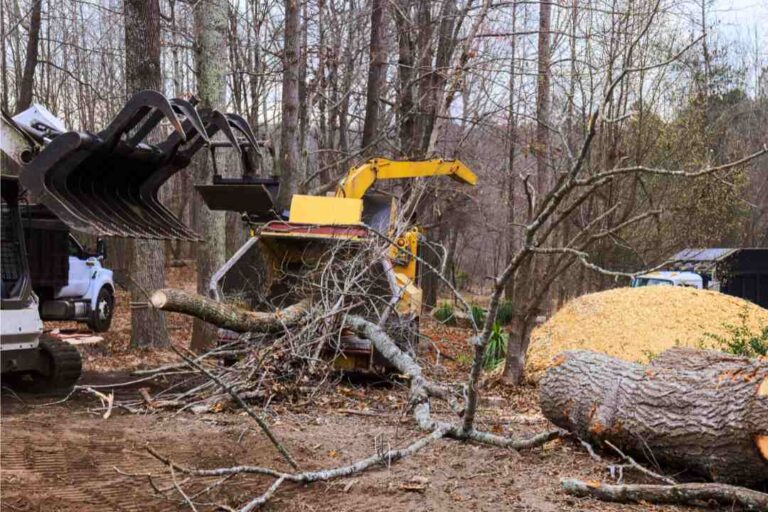
Tree removal in Sydney usually covers far more than simply cutting a tree down. A professional service typically includes assessment, safe dismantling, waste handling, and advice on legal and safety requirements, especially where trees sit close to homes, fences, power lines, or neighbours.
What does tree removal in Sydney usually include?
It usually includes an on-site assessment, planning the safest method, and carrying out Sydney tree removal in sections if space is tight. Most providers also manage clean-up, disposal, and optional stump removal.
Common inclusions are:
- Site inspection and risk assessment
- Safety set-up (exclusion zones, traffic or pedestrian control if needed)
- Tree felling or sectional dismantling (rigging and lowering branches)
- Limbing, cutting, and stacking timber
- Green waste removal, mulching, or skip loading
- Clean-up of sawdust and debris
- Stump grinding or stump poisoning as an add-on
- Advice on council rules and approvals where relevant
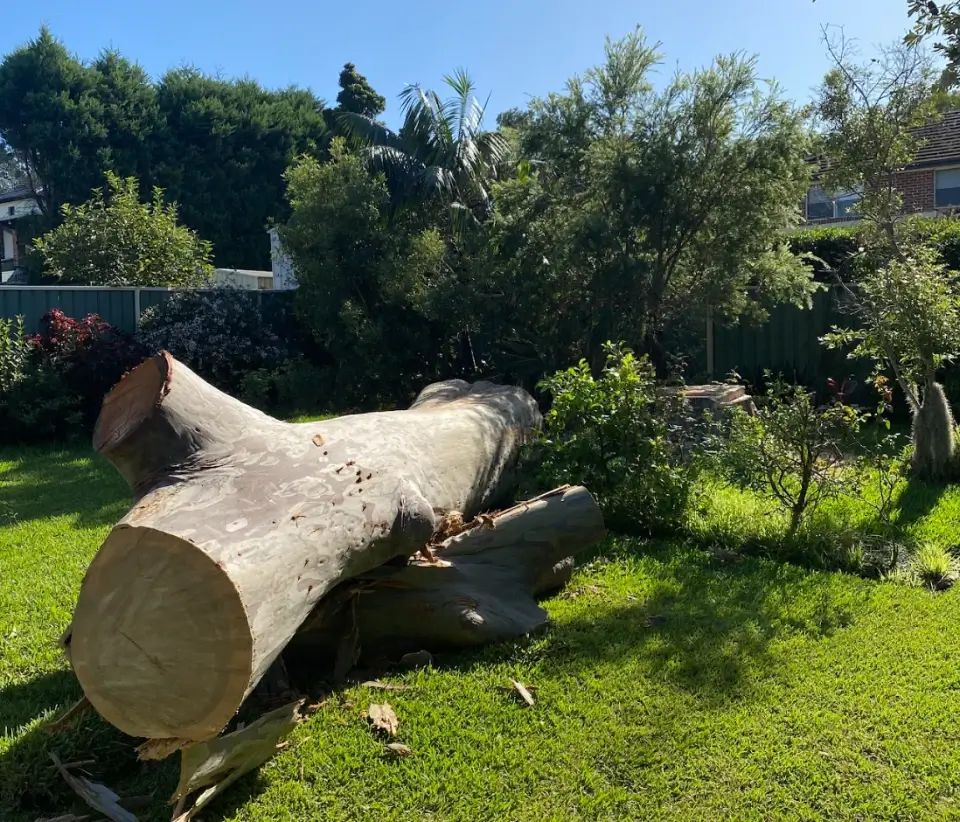
How do arborists decide the safest way to remove a tree?
They decide based on the tree’s size, lean, condition, and the surroundings. If there is limited drop zone space, they will usually dismantle it in small pieces using ropes and rigging to control each section.
They also consider access for equipment, the location of underground services, nearby structures, and whether the tree is unstable due to decay, termites, storm damage, or poor root anchorage. Learn more about top reasons for tree removal in Sydney homes.
When is tree removal actually necessary?
It is typically needed when a tree becomes unsafe, unmanageable, or incompatible with the site. The most common trigger is risk: a tree that could fail and damage property or injure someone.
Typical reasons include:
- Dead or dying trees that cannot be recovered
- Severe structural defects such as major cracks, hollows, or trunk decay
- Storm-damaged trees with compromised limbs or root plates
- Trees leaning more over time or lifting soil at the base
- Roots causing significant damage to paving, retaining walls, or plumbing
- Trees interfering with buildings, driveways, or required construction work
Do they always need council approval for tree removal in Sydney?
Not always, but they often need to check. Many Sydney councils regulate the removal of certain trees, especially large or mature specimens, or trees in heritage or environmentally sensitive areas.
Approvals can depend on trunk diameter, species, location, and whether the tree is considered hazardous. A reputable contractor will usually advise what evidence is needed, such as photos, an arborist report, or proof the tree is dead or dangerous.
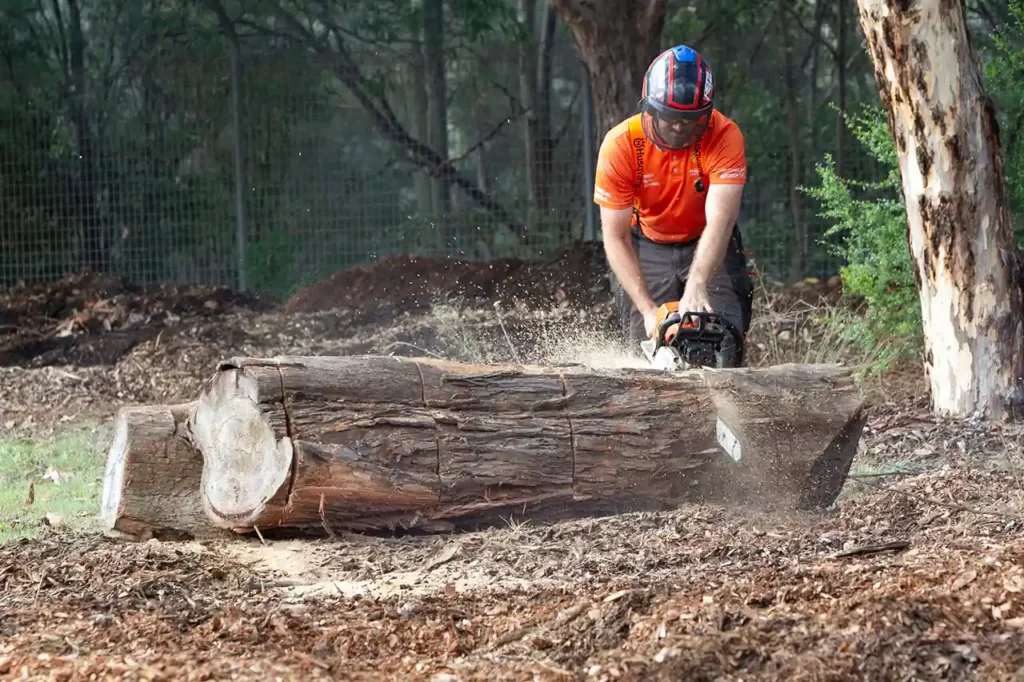
What is the difference between tree removal, tree lopping, and pruning?
Tree removal means the tree is taken down completely, usually down to a stump, with stump grinding as an extra step. Pruning is targeted trimming to improve safety, structure, clearance, or health.
“Lopping” is often used as a casual term, but in arboriculture it can refer to heavy, indiscriminate cutting that may encourage weak regrowth and long-term problems. If the goal is safety or clearance without losing the tree, pruning by a qualified arborist is usually the better option.
What risks make DIY tree removal a bad idea?
DIY removal becomes risky quickly because trees fail unpredictably, especially when cut incorrectly. Even small trees can cause serious injury or major property damage, and chainsaws, ladders, and falling timber are a hazardous mix.
Key risks include:
- Branches dropping onto roofs, cars, fences, or people
- Hidden decay causing the trunk to split or barber-chair
- Unseen tension in limbs that recoil when cut
- Contact with overhead power lines or service cables
- Legal and insurance issues if damage occurs to a neighbour’s property
What happens to the stump after the tree is removed?
If they do not remove the stump, it remains a trip hazard and can attract pests or regrowth depending on species. Many services offer stump grinding, which reduces the stump below ground level so the area can be levelled and replanted.
Stump grinding is often chosen when they want turf laid, landscaping finished cleanly, or future building works planned. In tighter sites, they may recommend alternative methods if machinery access is limited. Click here to get more about the quickest, easiest, and safest way to remove a tree stump.
What should they expect during the clean-up and waste removal?
They should expect all branches and green waste to be collected and removed unless they request mulch or firewood cuts. Clean-up standards vary, so it is worth confirming whether the quote includes raking, leaf removal, and clearing garden beds.
If they want to keep mulch, the crew can usually chip branches on-site and leave it neatly. If timber is retained for firewood, it is typically cut to manageable lengths and stacked where requested.
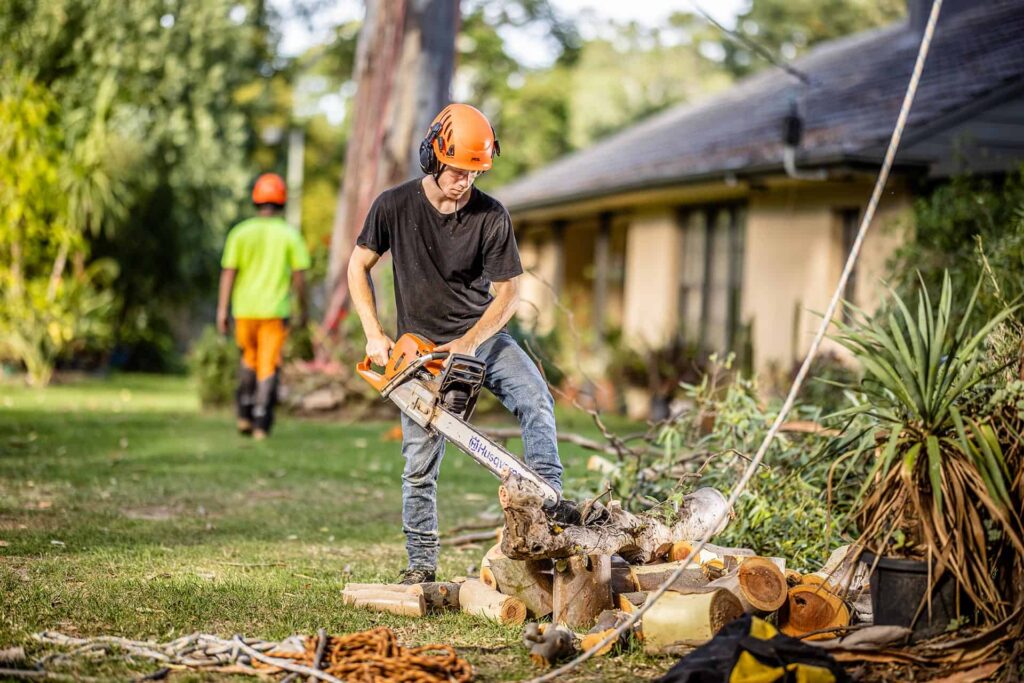
How much does tree removal in Sydney tend to cost and what changes the price?
Costs vary widely because the job is priced on risk, complexity, and labour time, not just tree height. A small tree in an open garden is straightforward, while a tall tree over a house may require rigging, climbers, and specialised equipment.
Pricing factors usually include:
- Tree size, species, and wood density
- Proximity to buildings, neighbours, and power lines
- Site access for trucks, chippers, or stump grinders
- Condition of the tree (dead, decayed, storm damaged)
- Whether council paperwork or reports are needed
- Waste volume and disposal requirements
- Stump grinding and root management add-ons
What questions should they ask before booking a tree removal service?
They should ask what is included in the quote, how the tree will be removed, and what happens to the waste. They should also confirm the provider’s qualifications, insurance, and whether the work aligns with local regulations.
Useful questions include:
- Is the quote fixed and does it include waste removal and clean-up?
- Will they use climbing, a crane, or an elevated work platform?
- Are they insured for public liability and workers’ compensation?
- Can they provide an arborist assessment if the council requires it?
- Is stump grinding included or optional, and how deep will it go?
When should they choose removal over trimming?
They should choose removal when the tree cannot be made safe or healthy with pruning, or when the site cannot support it long term. If repeated pruning is only delaying failure, or the tree is structurally compromised, removal is often the responsible choice.
If the tree is healthy but causing minor shading or clearance issues, pruning is usually enough. A good arborist will explain the trade-offs clearly, including the likelihood of regrowth problems and future costs.
FAQs (Frequently Asked Questions)
What does professional tree removal in Sydney typically include?
Professional tree removal in Sydney usually involves a comprehensive service including an on-site assessment, planning the safest method for removal, dismantling the tree in sections if space is limited, and managing clean-up and disposal. Additional services often include site inspection and risk assessment, safety set-up such as exclusion zones and traffic control, limb cutting and stacking, green waste removal or mulching, and optional stump grinding or poisoning. Providers also offer advice on council rules and legal requirements relevant to tree removal.
How do arborists determine the safest method for removing a tree?
Arborists assess factors such as the tree’s size, lean, health condition, and surrounding environment to decide the safest removal method. When space is tight, they often dismantle the tree in small controlled sections using ropes and rigging. They also consider access for equipment, underground services location, nearby structures, and any instability caused by decay, termites, storm damage or poor root anchorage to ensure safe removal.
When is it necessary to remove a tree in Sydney?
Tree removal becomes necessary when a tree poses safety risks or is incompatible with its site. Common reasons include dead or dying trees beyond recovery, severe structural defects like major cracks or trunk decay, storm damage compromising limbs or roots, increasing lean over time, roots damaging paving or plumbing, and interference with buildings or construction projects. Removal aims to prevent property damage and personal injury.
Is council approval always required for tree removal in Sydney?
Council approval is not always required but often necessary depending on local regulations. Many Sydney councils regulate the removal of certain trees—especially large mature specimens or those in heritage or environmentally sensitive areas. Approval depends on factors like trunk diameter, species, location, and whether the tree is hazardous. Reputable contractors typically advise clients on necessary evidence such as photos or arborist reports to comply with council requirements.
What are the differences between tree removal, lopping, and pruning?
Tree removal involves completely taking down a tree usually down to the stump with optional stump grinding. Pruning refers to targeted trimming aimed at improving safety, structure, clearance or health of the tree without removing it entirely. Tree lopping is often used colloquially but technically means heavy indiscriminate cutting that can lead to weak regrowth and long-term issues. For maintaining tree health and safety without full removal, professional pruning by a qualified arborist is recommended.
Why is DIY tree removal risky and generally discouraged?
DIY tree removal carries significant risks due to unpredictable tree failure when cut incorrectly. Even small trees can cause serious injuries or property damage through falling branches or timber. Hazards include branches dropping onto roofs or people, hidden decay causing sudden splits (barber-chair effect), tension in limbs recoiling unexpectedly when cut, contact with overhead power lines, and legal or insurance complications if neighbour’s property is damaged. Professional services ensure safety protocols and expertise are followed.